
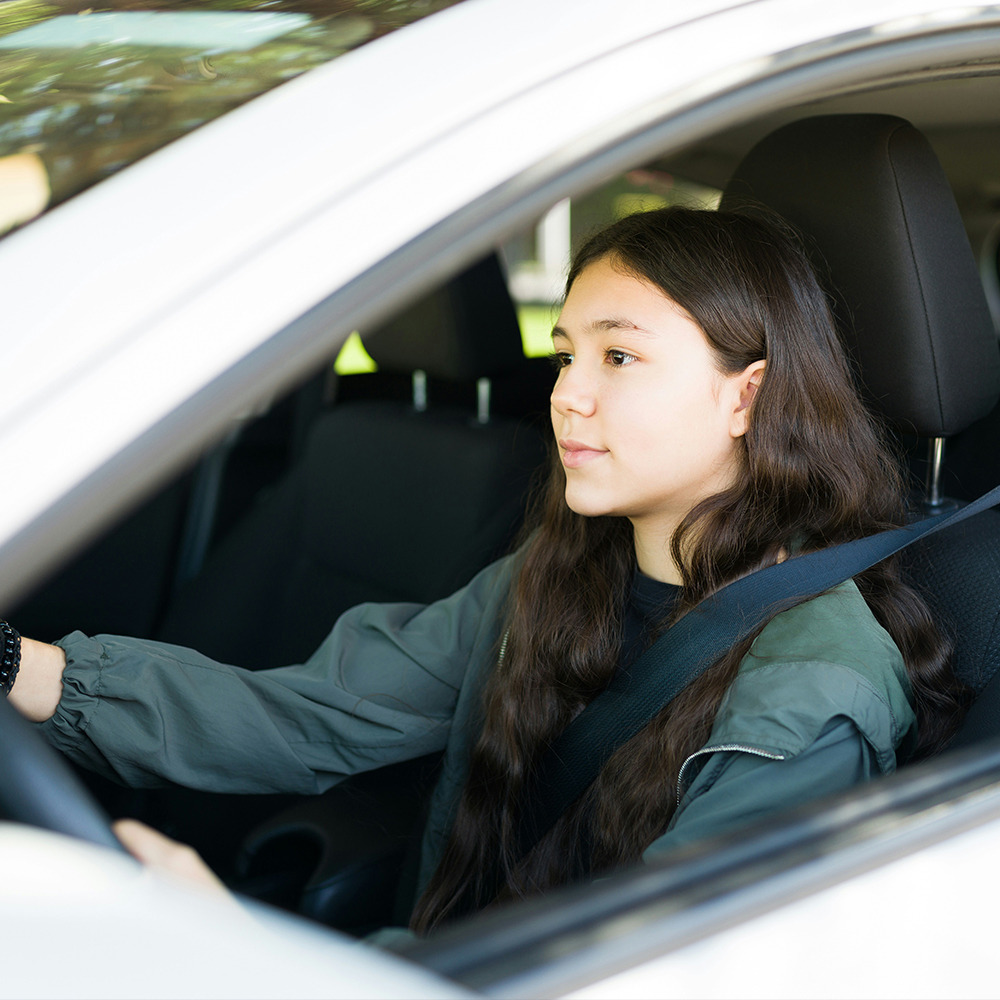
How To Prepare Your Young Driver for the Road
Getting your child ready to be a safe, responsible driver is important for everyone on the road. Start by providing comprehensive driving lessons that cover essential skills, such as defensive driving, proper road etiquette, and navigating various weather conditions. Encourage them to practice regularly in different driving environments to build experience.
It’s vital to ensure their vehicle is well-maintained and has its safety features checked. Providing the driver and their vehicle with the right information and resources for safe driving can lower the chances of accidents and encourage responsible driving behavior on every trip.
Tips for Parents of Teens & Young Drivers
Lead by Example
As a parent, your kids are watching your driving habits, shaping your young driver’s behavior on the road. By modeling safe driving, you set a positive example that your teen can adopt. Here are some key ways to lead by example:
- Always wear your seatbelt and ensure all passengers do the same. Ensure children are properly restrained in a car seat or booster.
- Follow speed limits and avoid speeding, especially in residential areas.
- Stay focused on the road — avoid texting, using your phone, or engaging in other distractions.
- Never drive under the influence of alcohol or drugs.
- Use turn signals and drive courteously to set a positive example.
When you demonstrate these responsible driving behaviors, you help instill them in your young driver, significantly improving their safety and reducing accident risks.
Provide Plenty of Opportunities for Supervised Practice
It’s essential to offer your young driver ample opportunities for supervised practice to build their confidence and skills. Start in low-traffic areas and gradually progress to more complex driving environments. Provide clear, calm guidance on road signs, speed limits, and safe driving techniques. Correct any distractions immediately by reminding them to focus on the road.
Practice in varying weather conditions — rain, snow, or fog — to prepare them for all scenarios. This hands-on experience helps them gain the practical knowledge needed for safe driving, while also reinforcing your role as a supportive coach.
Choose a Safe Vehicle
When selecting a car for your young driver, consider the following tips:
- Look for top safety ratings: Check crash-test ratings from trusted sources like the IIHS or NHTSA.
- Opt for newer models: While it may be tempting to buy a cheaper, older model for your young driver, newer models tend to have better safety features and driver assist technologies that will protect them in the long run.
- Prioritize stability and handling: Choose vehicles with good traction control and stability systems, especially if you live in an area prone to snow storms or flooding.
- Ensure airbags and safety features: Ensure the car has airbags, anti-lock brakes, blind spot alert, and lane-keeping assist. Have these systems checked by a reputable mechanic.
- Avoid high-performance sports cars: Sports cars can encourage risky driving behaviors.
Secure Adequate Insurance
Many parents and guardians wrongly assume that their existing car insurance policies will cover new drivers. Discuss any new drivers with your insurance agent before they get behind the wheel. Similarly, you may consider increasing your policy limits to account for the added risk that young drivers bring.
Stock the Vehicle With Emergency Supplies
It’s important to equip your vehicle with essential emergency supplies to ensure your young driver is prepared for any situation. Here’s a list of must-have items:
- First aid kit
- Jumper cables
- Spare tire, jack, and tire iron
- Flashlight and extra batteries
- Water and non-perishable snacks
- Fire extinguisher
- Blanket and warm clothing (in cold weather)
- Road flares or reflective triangles
- Phone charger
- Multi-tool or basic tool kit
- Fire blanket
- Easily accessible seatbelt/glass break emergency tool
- Insurance and emergency roadside information
- Emergency contact list
These supplies can prepare your young driver in case of an emergency.
Set Rules and Expectations
Setting clear rules and expectations is important in keeping your young driver safe. Establish family guidelines and discuss them with young drivers. Explain the importance of avoiding distracted driving, eating while driving, and passenger distractions. Discuss potential consequences and ensure they understand that these guidelines are a safety priority, even when they’re driving with friends. Most importantly, model safe behavior yourself. Reinforce the importance of these rules through regular conversations and provide positive reinforcement when they follow them. Setting boundaries ensures a safer driving experience for everyone.
Reward Them for Safe Driving
Encouraging your young driver to practice safe driving can be especially effective if you reward them for it. Think about giving them incentives, like more driving freedom, monetary contributions towards their vehicle maintenance, or other perks.
Discuss the Costs of Unsafe Driving
Driving unsafely can have a serious long-lasting impact, from financial implications to lifelong injuries, fines, and even jail time. While these situations are difficult to discuss, focusing on the weight of responsibility that driving brings is critically important for young drivers to understand. It encourages responsible behavior and highlights the importance of safety, not just for themselves but for everyone on the road.
Consider a Driving App or Other Tracking Options
Mobile apps like Life360 and TrueMotion can help monitor your young driver’s activity on the road. Life360 provides real-time location tracking and sends alerts when your teen arrives at or leaves specific locations, such as school or home. It also offers a driving safety feature, alerting you to unsafe driving behaviors like speeding or rapid acceleration and phone usage.
TrueMotion tracks driving behavior and provides feedback on habits like braking, acceleration, and cornering. It offers a score that helps teens improve their driving over time. Both apps encourage safe driving while giving parents peace of mind through continuous monitoring.
Some vehicles also have similar safety features built in, such as geo alerts and drive speed limiting, with a potential added benefit that they can’t be disabled by the driver. Check your vehicle manufacturers manual to determine the features that are available in your car. If you’re purchasing a new vehicle, thoroughly research the options. A safety package add-on may add a lot of value for driver safety and your peace of mind.
Make Sure They Know What To Do in an Accident
It’s important to talk about what steps to take if your child ever does get into an accident. Understanding how to deal with the situation is essential. They should first check for injuries and call 911, if necessary. Next, they should exchange insurance and contact information with the other driver, take photos of the scene, and gather witness statements, if possible.
They should never admit fault or argue with others at the scene. Teaching your young driver these steps helps them stay calm and handle the situation responsibly.
Knowing what to do in the event of an accident can protect their legal rights and help avoid further complications down the road. Make sure they understand their legal rights and consider hiring a car accident lawyer to help protect those rights and provide support when things get tough. This is especially important if anyone was seriously injured due to the car crash.
Review What To Do in an Emergency
Your young driver must also know how to handle other emergencies, such as running out of gas or driving off the road. If they run out of gas, they should know to stay inside the vehicle, call for help, and avoid walking on the road. If they drive off the road, the first step is to stay calm, check for injuries, and call emergency services. Teach them how to use their vehicle’s emergency features, such as OnStar, and how to quickly dial 911 from their cell phone or another passenger’s phone that may be locked. Practice using a seatbelt cutter or glass breaking tool to prepare for an emergency situation.
To help them remember, practice these scenarios together, and role-play until they feel confident. Reassuring your young driver and discussing these steps regularly ensures they’ll act responsibly in real emergencies, where emotions and anxiety can be at an all-time high.
The Importance of Legal Support After an Accident
Young drivers and their parents should be aware of the proper steps to take in an accident, such as ensuring safety, calling emergency services, and exchanging information. Understanding your legal options help navigate potential claims, insurance issues, or legal responsibilities. Strong legal representation can guide through the complexities, protecting rights and allowing recovery to focus on recovery.

Why Safe Driving Preparation Is Important for Teens & Young Drivers
Getting a driver’s license is an exciting time for teens. Embracing this new chapter as a parent can be scary, but preparation will make you feel more at ease by reducing the chances of accidents. Discussing the realities of unsafe driving with your young driver will go a long way in preventing issues later on. Similarly, discussing family rules ahead of time and fostering healthy driving habits will ensure everyone understands the expectations around driving.
If your teen is involved in an accident, enlisting legal support from an experienced car crash attorney may be necessary to protect everyone’s rights. Finding a lawyer to represent you quickly is key in ensuring a favorable outcome in your case. If you or a loved one has been involved in a serious injury, contact us or call (804) 780-1200 today.